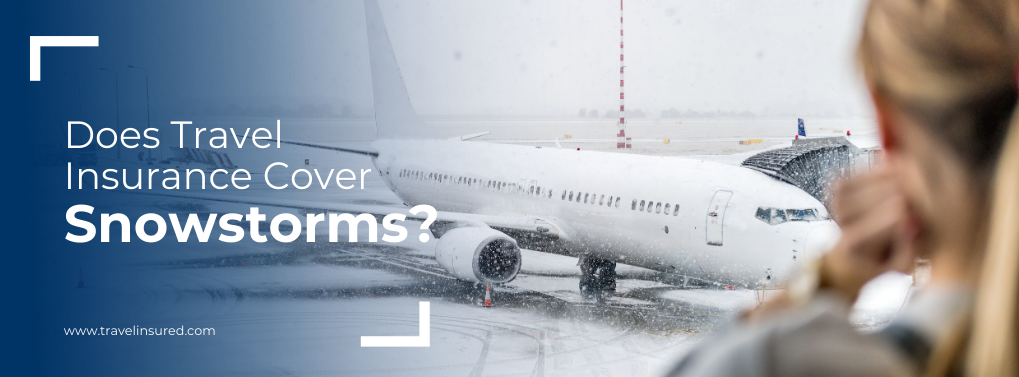
Travel protection may cover cancellations and delays due to a snowstorm, but timing is everything. If your plan was purchased before a blizzard or snow-related event was forecast, you are more likely to be eligible for travel cancellation or interruption protection. However, once a weather event has been forecast by meteorologists, it's typically too late to get trip protection. Coverage also generally applies when weather makes travel impossible, resulting in airport closures or snowstorm flight cancellations, rather than when travel is merely delayed or inconvenient.
How Travel Insurance Covers Weather-Related Cancellations and Interruptions
In November 2025, Thanksgiving weekend saw more than 1,000 flights cancelled and delayed in a single day due to inclement weather conditions1 – a prime example of what travel protection plans may consider a covered event. However, coverage eligibility generally depends on when you purchased the plan.
Extreme weather events that shut down airports and ground flights can likely qualify for coverage if the plan was purchased far enough in advance. Specifically, you must purchase your plan before the weather event becomes known – meaning before meteorologists or government entities issue forecasts or officials name the storm. If you wait until after an extreme weather announcement to purchase travel protection, you may not be able to be reimbursed for your losses.
The following types of events may trigger your winter travel insurance coverage, depending on your plan:
- Airport closures due to severe winter weather conditions like blizzards or hurricanes
- Grounded flights when airlines cancel air travel because of snowstorms
- Official travel advisories from government agencies declaring travel unsafe
- Resort or mountain closures at ski destinations due to dangerous conditions
- Home emergencies, such as storm damage, requiring your immediate return
Any of the above examples may trigger your insurance benefits to kick in, but here's the bottom line: For winter travel insurance to cover snowstorms, the weather event must directly prevent your travel or make it officially unsafe. Minor snow delays likely won't qualify for cancellation benefits, but if your trip is outright cancelled, you may be eligible for reimbursement.
Snowstorm Coverage Before vs. During Your Trip
No matter whether your trip disruption occurs before your departure or during your travels, coverage eligibility is likely going to come down to two factors: when you purchased your plan and the terms in the plan document. Depending on the circumstances surrounding travel disruptions, U.S. airlines may also be on the hook to issue refunds for cancelled flights and baggage fees.
Coverage Before Departure
Your trip cancellation benefit can generally apply if snow-related conditions have made it impossible for you to leave your departure city or arrive at your destination due to factors like cancelled flights and closed airports. Depending on your plan, you may be able to be reimbursed for prepaid, nonrefundable trip costs, such as hotel reservations, tickets or tours, or prepaid transportation. The plan also needs to be purchased before the impending weather event has been identified.
Your trip cancellation benefit may kick in before departure if:
- Your departure flight was cancelled due to a blizzard grounding all planes
- You can’t reach your hotel due to road closures
- Your resort or hotel has shut down due to extreme weather conditions
- The weather event was not predicted prior to you buying the plan
Coverage During Your Trip
If severe weather during your trip results in cancelled plans or makes it impossible for you to either reach your destination or return home, your plan may offer reimbursements. For example, you may be eligible for emergency accommodations and meal reimbursements if storm damage makes your hotel uninhabitable or unreachable.
Your plan may provide reimbursements for weather-related disruptions if:
- Your returning flight was cancelled due to a blizzard grounding all planes
- You need to book emergency accommodations due to cancelled flights or the resort shutting down mid-trip
- You prepaid for activities that were cancelled due to covered weather-related circumstances
- The severe weather alert was not predicted prior to you buying the plan
What Travel Delay Coverage May Include During Snowstorms
Travel delay coverage can help offset the financial burden of being stranded due to flight delays – a common occurrence due to weather that can result in purchasing extra meals, booking emergency accommodations, and cancelled plans. Travel delay coverage can generally kick in if a flight has been cancelled or significantly delayed due to weather conditions or natural disasters, no matter whether you’re departing or returning home. Note the conditions of your plan may stipulate a threshold for what constitutes a significant delay, for example 6 or 12 hours, before you can receive benefits.
If you find yourself facing significant delays due to snowstorms, you may be eligible for reimbursements on the following (depending on the plan language):
- Missed prepaid excursions, such as event tickets or tours
- Prepaid accommodations that weren't used due to significant delays
- Meals and accommodations incurred during the delay period
- Rebooking fees for rescheduled flights or transportation
- Extra transportation expenses that are necessary due to significant delays
- Early flights home if your trip is cut short due to a natural disaster or significant weather event
- Reimbursements for essentials like clothes and toiletries due to delayed luggage
Coverage Limits for Snowstorm Flight Cancellations and Missed Connections
Travel protection distinguishes between different types of weather disruptions, and your eligibility for benefits can depend on the severity and length of the delay. Most plans require delays to exceed a certain amount of time before coverage activates. For both delays and missed connections due to weather, expect to show documentation to receive benefits.
Delay vs. Missed Connection
Your protection plan may have guidelines in place for handling general flight delays vs. missed connections due to weather.
- Travel delay coverage typically requires a minimum delay period of about 6-12 hours before benefits activate, but it could be as few as 3 hours, depending on your plan. Eligible reimbursements can include expenses for meals, lodging or additional transportation you've had to incur because of the delay. It may also reimburse for missed activities or accommodations that were prepaid and unusable.
- Missed connections benefits may kick in if a covered delay causes you to miss your trip departure because your arrival at your destination is delayed at least 3 consecutive hours. In cases like this, you may be eligible for reasonable additional expenses such as meals, accommodation reimbursements, or travel expenses to help you catch the next leg of your trip. However, if you've missed a connection due to negligence or insufficient layover time, your plan may not cover you.
Known Events Rules: When Snowstorms Are No Longer Covered
Weather-related travel insurance benefits operate on the principle that you cannot insure against events that are already predicted or in progress. Once a snowstorm becomes a "known event," purchasing travel protection becomes a moot point. According to the National Weather Service, winter storm watches can be issued more than 48 hours in advance,2 which is why you may not want to wait too long to purchase protection. Plans purchased after a weather event have been predicted may likely result in denied claims.
A storm typically becomes a known event when:
- Meteorologists issue official forecasts or warnings
- The storm receives a name, like hurricanes often do
- Government agencies publish travel advisories
May Be Covered
Storms predicted before plan purchase
Weather patterns being tracked by meteorologists before plan purchase
Storms that intensify beyond initial predictions (if purchased before initial forecast)
Trip booked and insured months in advance
Plan purchased during clear weather forecasts
Likely Not Covered
Snowstorms forecasted after plan purchase
Unexpected weather developments after purchase
Named winter storms announced before buying travel protection
Last-minute travel protection purchased during storm forecasts
Plan purchased after travel advisories are issued
Tips for Protecting Winter Trips from Weather Disruptions
Taking proactive steps before your trip can help minimize stress and protect your bank account if snowstorms disrupt your plans.
Follow this checklist to enhance your winter travel protection, especially during times of year when weather delays are common.
- Purchase travel protection as early as possible. The earlier the better. If meteorologists or travel advisory services predict weather-related trip cancellations close to your travel date, and you haven't yet purchased a plan, it can be too late to add one.
- Review your plan’s coverage limits for different circumstances. Ensure the maximum benefit amounts are sufficient to cover your total trip cost plus potential additional expenses from delays, cancellations and trip disruptions.
- Understand the covered reasons. Check your plan for whether your insurance provider’s covered reasons reference National Weather Service forecasts, named storms or other specific criteria.
- Save all receipts and documentation. Keep airline notifications, hotel confirmations, rebooking receipts, emergency accommodation and meal receipts, and any communication from travel providers about weather-related changes.
- Monitor weather forecasts leading up to departure. While you can't prevent storms, awareness allows you to contact your insurance provider in advance so you can start exploring options and alternative arrangements.
- Keep your plan documents accessible. Store contact information, plan number, and claim procedures in your phone and email for quick reference during disruptions.
- Consider investing in Optional Cancel for Any Reason (CFAR) coverage. This type of coverage may be seen as an add-on expense, but it can help recoup some travel expenses if a cancellation falls outside of “known event” criteria.
Protect your winter travel investment. Request a quote.
2 https://www.weather.gov/bgm/winterterms*
*These websites are not affiliated with United States Fire Insurance Company or Travel Insured International.