
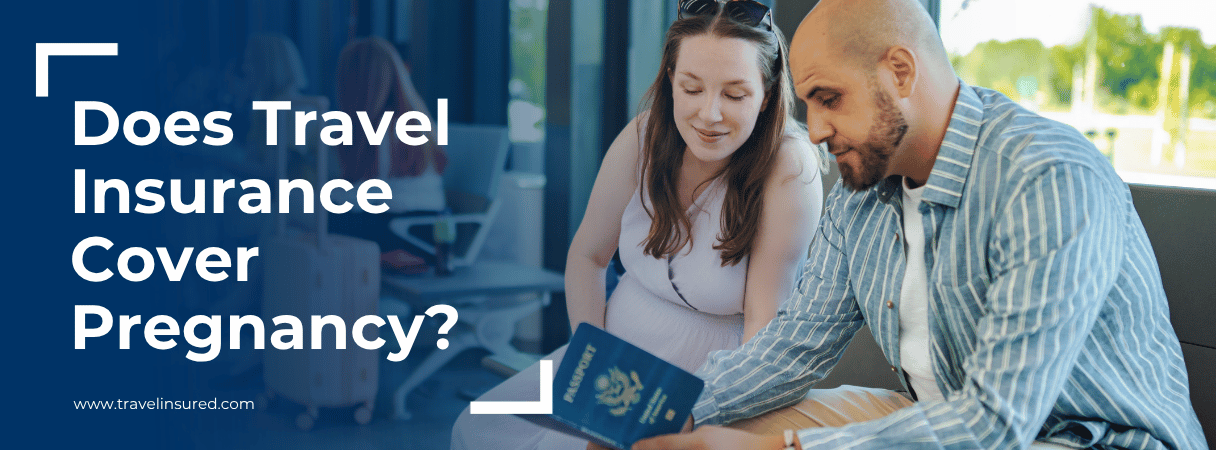
Traveling while pregnant can be an exciting, emotional, and meaningful experience, but it often comes with extra questions along the way. One of the most common questions is whether travel insurance can provide coverage during pregnancy.
The answer is not always straightforward. Most plans are designed to support unexpected complications rather than routine pregnancy care, and coverage can depend on the timing and details of your plan. Because a normal pregnancy is usually considered a foreseeable condition, it is important to understand the coverage.
What Pregnancy-Related Situations May Be Covered?
While routine pregnancy care is typically not covered, many travel protection plans are designed to step in when the unexpected happens. Coverage often focuses on complications or situations that require immediate attention, helping you navigate changes without losing sight of your trip. Here are some pregnancy-related situations that may be covered:
- Emergency medical care due to complications: Treatment for unexpected issues such as miscarriage, preeclampsia, or other urgent conditions
- Trip cancellation or interruption: If a complication prevents you from traveling or requires you to return home early
- Emergency medical evacuation: Transportation to the nearest appropriate medical facility if care is not available locally*
- Unexpected pregnancy (in some cases): Coverage may apply depending on when the plan was purchased and the circumstances
- Doctor-certified inability to travel: If a physician determines it is no longer safe for you to take your trip
What Pregnancy-Related Expenses Are NOT Covered?
Most travel protection plans focus on unexpected complications, which means routine or anticipated aspects of pregnancy are typically excluded. These exclusions reflect the idea that a typical pregnancy is a known condition. Here are some common pregnancy-related expenses that are usually not covered:
- Routine prenatal care: Regular checkups, ultrasounds, and standard medical visits
- Normal childbirth and delivery: Planned labor and delivery, whether at home or abroad, when you/your traveling companion are pregnant before the plan is purchased
- Cancellation due to a normal, healthy pregnancy: Choosing not to travel without a medical complication
- Airline or cruise denial due to pregnancy stage: Being unable to board due to carrier policies or timing
- General discomfort or precautionary cancellation: Deciding not to travel due to uneasiness rather than a medical necessity
Types of Pregnancy-Related Travel Insurance Benefits
Plans can range from basic to more extensive options. Basic plans typically focus on core protections, while extensive plans may offer broader benefits and greater flexibility, which can be especially helpful when travel plans involve more variables. Here are key types of coverage to consider:
- Medical expense coverage: Helps cover care for unexpected pregnancy-related complications while traveling
- Trip cancellation or interruption: Provides reimbursement if a covered complication prevents you from taking or completing your trip
- Medical evacuation: Covers transportation to the nearest appropriate medical facility if specialized care is needed*
- Cancel For Any Reason (CFAR): Offers optional added flexibility if you decide not to travel for reasons beyond standard coverage
- Pre-existing condition exclusion waivers: May extend coverage to certain conditions if eligibility requirements are met and the plan is purchased within a specific timeframe
How Pregnancy Is Treated in Travel Protection Plans
Pregnancy is treated a little differently than other medical conditions in travel protection, which is why timing and details matter. It is not always automatically considered a pre-existing condition, but that can change depending on when you purchase your plan and whether any complications arise.
In many cases, a normal, healthy pregnancy may not be classified as pre-existing at first. However, if complications develop or if the pregnancy exists before the plan is purchased, it could be treated as a pre-existing condition under the plan.
This is where timing becomes especially important. Purchasing coverage early can open the door to additional protections, including eligibility for pre-existing condition waivers. These waivers may allow certain conditions to be covered if specific requirements are met.
When Cancel for Any Reason (CFAR) Coverage Could Make Sense
Flexibility can be just as important as trip coverage. That is where optional Cancel for Any Reason (CFAR) benefits can make a difference.
CFAR allows you to cancel your trip for reasons that are not included as covered reasons for cancellation. This can be especially helpful if your plans change due to general concerns about traveling while pregnant, rather than a specific medical complication.
It can be a good fit if there is uncertainty around how your pregnancy may progress or how comfortable you will feel closer to your departure date. While CFAR typically reimburses a portion of your trip cost, it offers added peace of mind when plans feel less predictable.
It is important to know that CFAR must be purchased early, often within a limited window after your initial trip deposit date and comes with specific eligibility requirements.
How to Choose the Right Travel Protection When Pregnant
Choosing the right travel protection while pregnant comes down to finding coverage that aligns with your trip and your comfort level. Here’s what to look for:
- Strong medical expense coverage: Make sure your plan includes high enough limits to handle unexpected complications
- Clear definition of pregnancy complications: Review how your plan defines and covers complications so there are no surprises
- Medical evacuation coverage: Essential for travel to destinations where specialized care may not be nearby*
- Flexible trip benefits: Look for options that allow you to adjust plans if your situation changes, like having missed connection coverage
- Destination-specific considerations: International trips may require more robust emergency medical expense coverage abroad compared to domestic travel
*The medical condition must be severe, acute or life threatening and that transportation to the nearest medical facility can be arranged if there are no adequate facilities in the immediate area.
When to Buy Travel Protection During Pregnancy
Timing can play a big role in how much protection you have during your trip. Purchasing travel protection soon after your initial trip deposit is often the best way to maximize your options, such as trip cancellation coverage.
Buying early can help you qualify for valuable benefits, such as pre-existing condition exclusion waivers and expanded coverage options. It also helps protect against unexpected changes that may arise as your pregnancy progresses.
Planning ahead allows you to choose coverage that fits your needs from the start, so you can move forward with confidence and stay present with protection that meets you in the moment.
Final Thoughts: Traveling While Pregnant with Confidence
Travel during pregnancy can still be a meaningful and enjoyable experience with the right planning in place. Understanding how coverage works helps reduce uncertainty and gives you more control over the unexpected. With the right protection, you can focus on the moments that matter most along the way.
Protect Your Trip with the Right Coverage
Every pregnancy and every trip is different, which is why it is important to compare plans based on your specific needs. Take time to understand your coverage before you book so you can travel with confidence.
Request a quote tailored to your trip with Travel Insured today and choose protection that meets you in the moment.